 enp
enp
 IT
IT
Coastal Gin: When the Sea Enters the Glass
Coastal Gin: When the Sea Enters the Glass
Gin has always had a natural predisposition to tell the story of places. In recent years, however, some distilleries have pushed this vocation to the very edge of the land, seeking inspiration among beaches, cliffs, estuaries and seabeds. This is how the so-called coastal gin emerged.
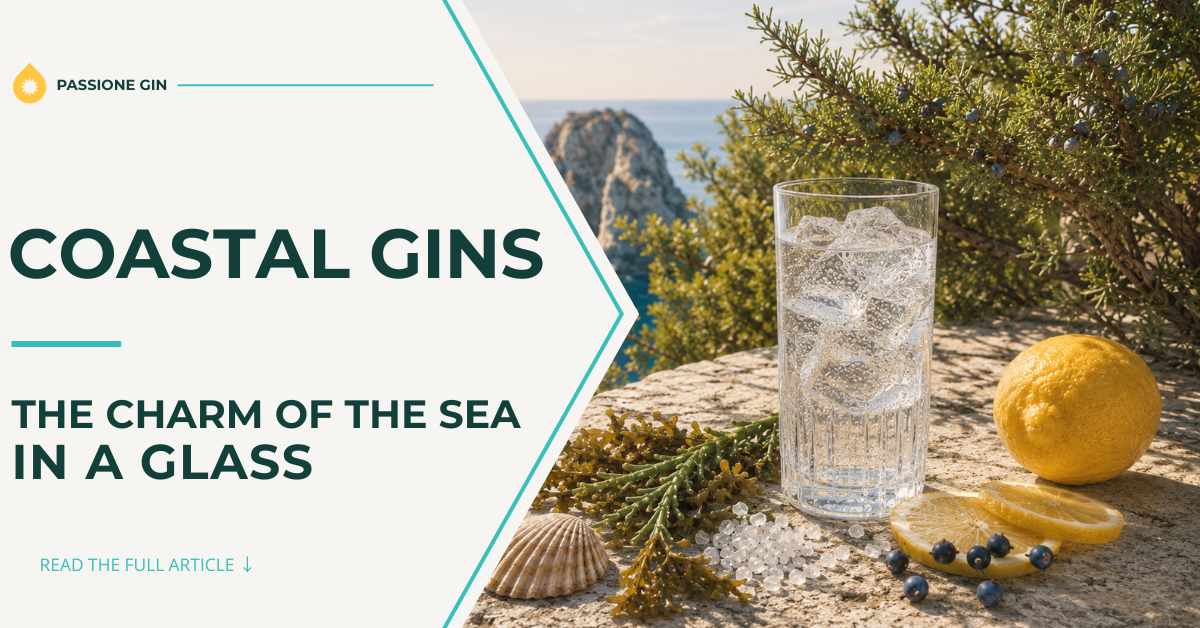
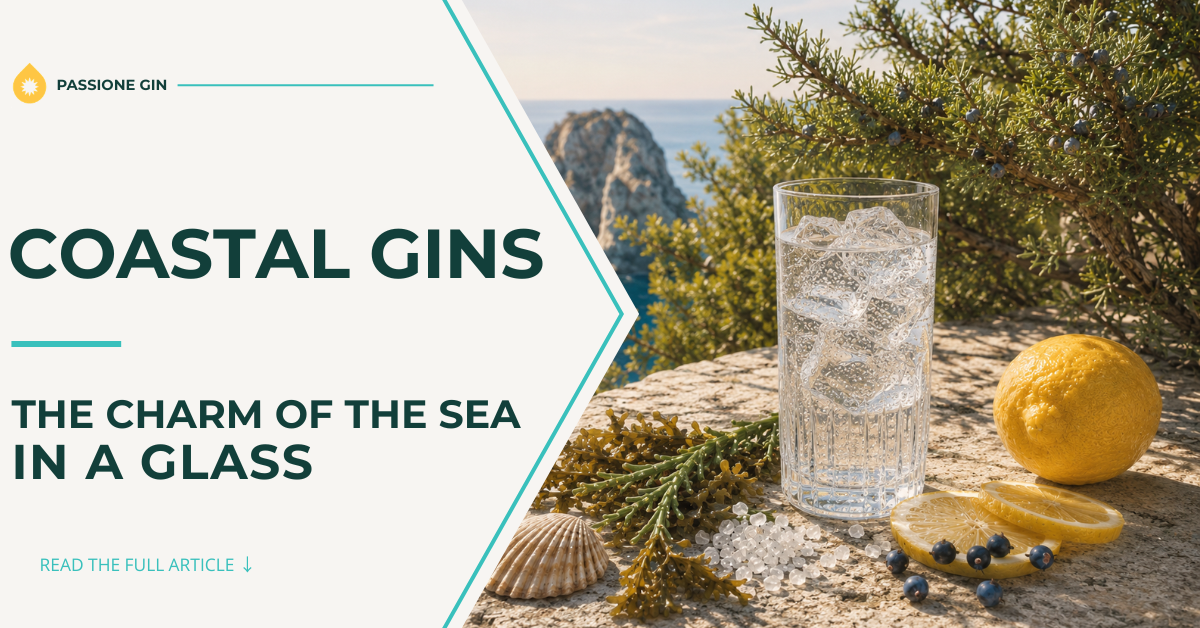
Inspired by marine landscapes and made with botanicals harvested along the coasts, this style of gin captures the essence of the sea in every sip. It is not a regulated category, nor a style defined by any specification, but a group of productions united by the desire to evoke the shoreline through seaweed, halophyte plants, oyster shells or, in some cases, suitably treated seawater.
The result is not necessarily an overtly salty spirit. Some coastal gins express a distinct iodine and mineral component; others move towards green, balsamic, citrusy or delicately umami notes. More than a precise taste, what defines them is the bond with the landscape and the ability to turn it into a recipe.
From Seaweed to the Still
Seaweed and coastal plants have accompanied the culinary traditions of many cultures for centuries. Their systematic use in modern gin production, however, is relatively recent.
Among the first contemporary examples is the Seaweed Gin by the Welsh distillery Dà Mhìle, launched in 2014 and infused with seaweed harvested along the coast. The following year, Edinburgh Gin helped bring this approach to a wider audience with its Seaside Gin, developed using botanicals characteristic of the shoreline environment.
Since then, more and more producers have begun to explore the possibilities offered by marine and coastal vegetation.
What Makes a Gin “Coastal”?
The difference compared to a more traditional gin lies mainly in the selection of botanicals—ingredients coming from the sea or the shoreline, or an aromatic profile built to evoke that environment. Juniper remains the core of the spirit, while marine botanicals enrich its profile with saline, herbal, citrusy and mineral nuances. Oliver Chapman, brand experience manager at Bullards Spirits, describes it as a spirit capable of reflecting its own environment through ingredients that recall the vegetation, freshness and salinity of the sea.
It is precisely in the variety of these raw materials that one of the most interesting aspects of the style is found. Among the most common botanicals we find:
- Sea aster (Tripolium pannonicum) — Brings herbal, vegetal and delicately saline nuances.
- Samphire (Salicornia europaea) — Typical of brackish environments, it has a fresh, green and naturally savoury character.
- Rock samphire (Crithmum maritimum) — Offers balsamic, green and citrusy notes, accompanied by a light saline sensation.
- Sea buckthorn (Hippophae rhamnoides) — Introduces acidity, vibrancy and a fruity profile that can recall citrus.
- Sea purslane — A succulent plant with a vegetal, mineral and slightly salty character.
- Marine seaweeds — Species such as sea oak, sugar kelp, dulse and Irish moss can contribute iodine notes, savouriness, minerality and umami.
Different Ways to Tell the Story of the Sea
There is no single technique for transferring the character of the coast into gin; each distillery interprets the theme through different ingredients and methods, often deeply tied to the territory.
In Pembrokeshire, Wales, the Still Wild Distillery harvests some of its seaweed on stretches of coast that require specific authorisation from the Crown Estate, the body that manages much of the British seabed and coastal areas on behalf of the Crown.
The Isle of Bute Distillery has chosen an even more unusual path: in its Oyster Gin it uses oyster shells from Loch Fyne, added during distillation. Their use helps create a subtle mineral and savoury component, without overpowering the juniper and the other botanicals.
In Japan, Etsu Pacific Ocean Water Gin introduces the sea through a small quantity of ocean water drawn offshore and filtered, whose light minerality integrates with the fresh notes of yuzu and bitter orange.
On the Isle of Barra, in the Outer Hebrides, Isle of Barra Atlantic Gin uses carrageen harvested along the island's shores. The seaweed brings light marine, mineral and saline nuances, set within a fresh, aromatic profile that recalls the wild character of the Atlantic.
The growing spread of these productions reflects the distilleries' desire to create a more direct relationship between the product and the place where it is born. The value of a coastal gin does not therefore depend on the mere presence of a seaweed or a pinch of salt; it lies in the ability to build a credible balance between juniper, botanicals and territory. When this balance is achieved, the sea stops being just an image on the label and becomes a recognisable component of the spirit.
How to Serve and Pair a Coastal Gin
Thanks to their iodine, mineral and umami nuances, coastal gins find a natural pairing with oysters, shellfish, fish and seafood. The simplest way to appreciate them is a Gin & Tonic with a neutral, lightly aromatic tonic water, finished with a citrus garnish that does not cover the more delicate components. They are also particularly well suited to preparing a Martini, in which the vermouth can enhance their savoury and herbal character. Their freshness and complexity, however, make them suitable for fresh, contemporary cocktails as well.
With Seaweed or Marine Botanicals
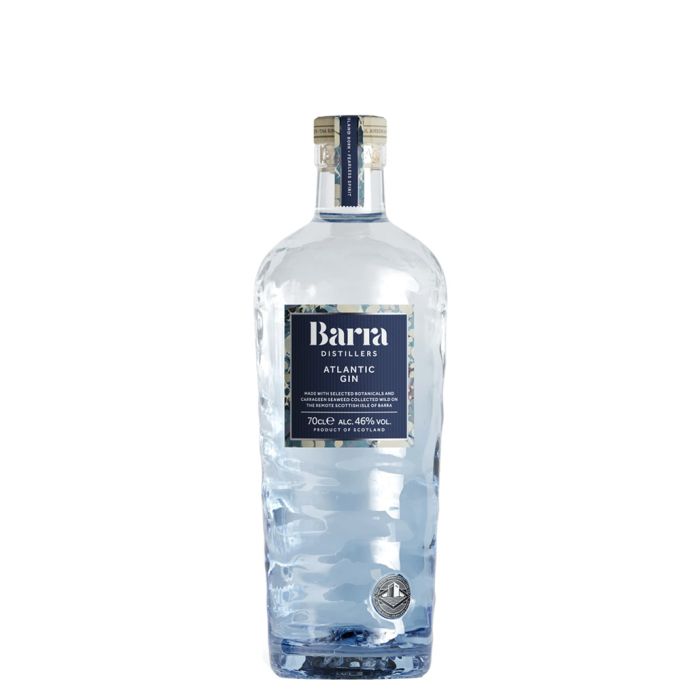
Made with carrageen seaweed harvested along the shores of the Isle of Barra, responsible for marine, briny and slightly minty notes.
Discover more →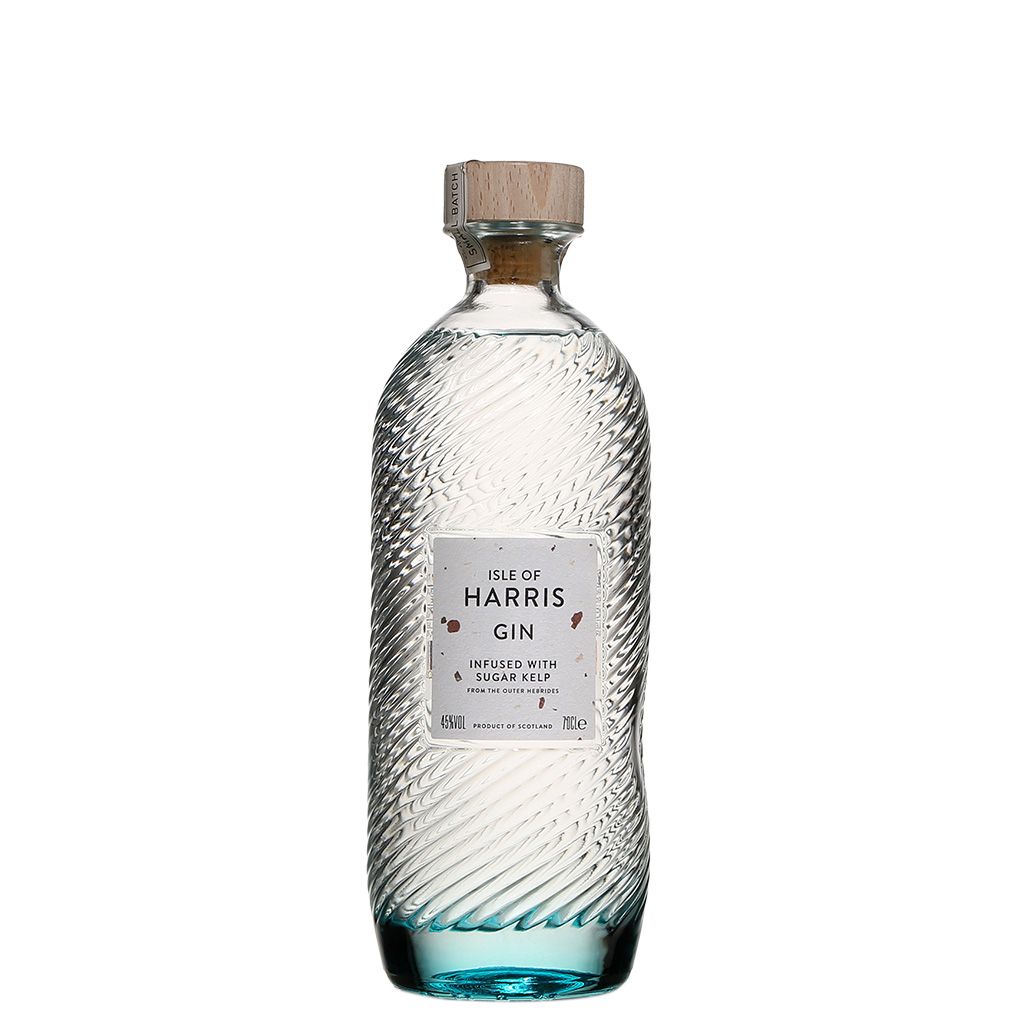
Uses sugar kelp harvested in the waters of the Outer Hebrides. The profile is citrusy, mineral, lightly saline and umami.
Discover more →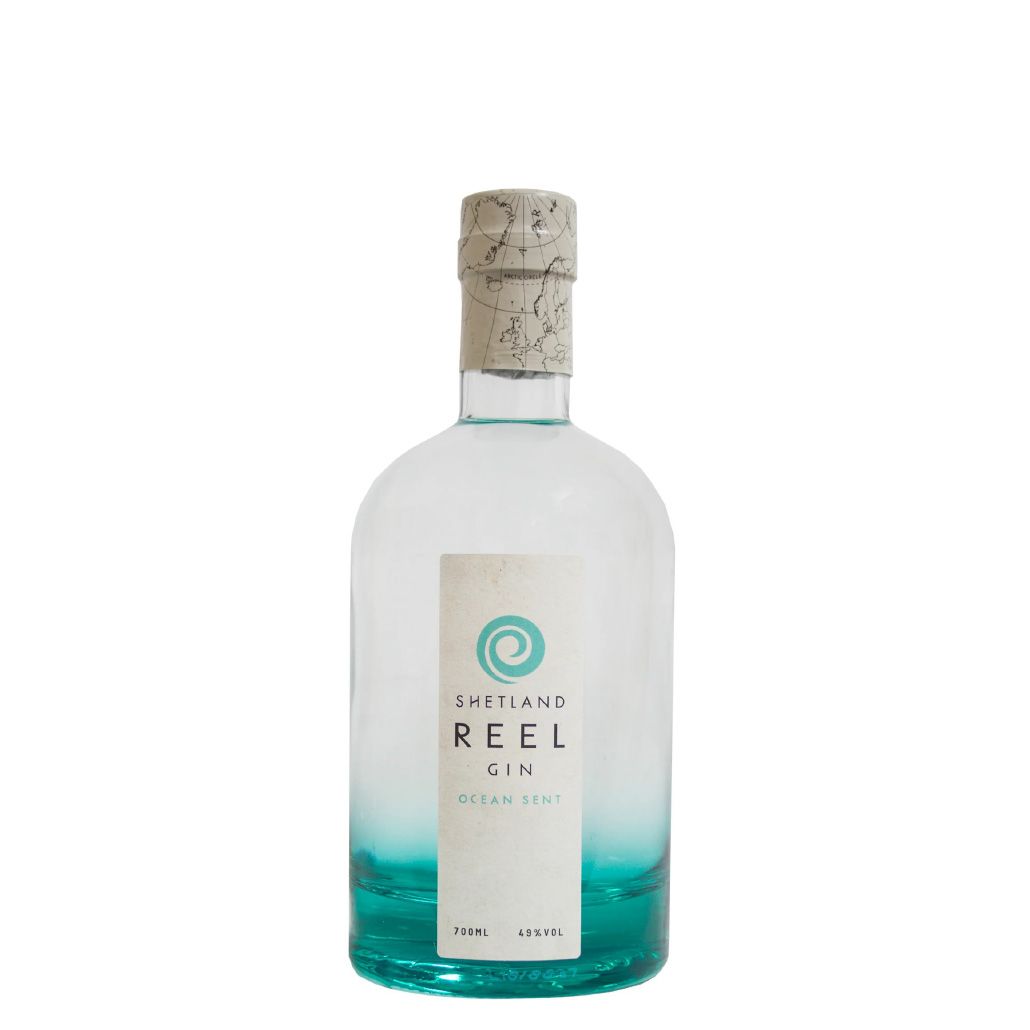
Contains Fucus vesiculosus, a brown seaweed harvested on the Shetland coast, which adds salinity and depth to the juniper.
Discover more →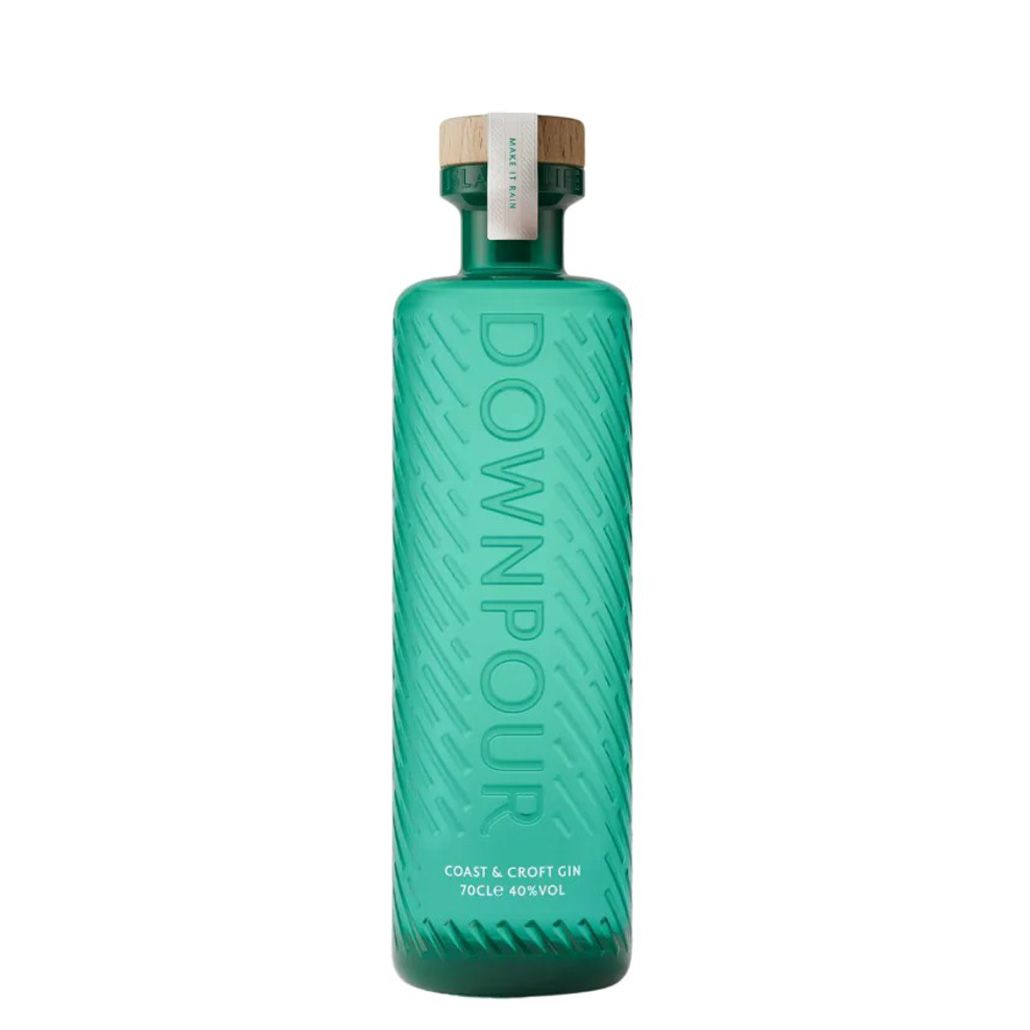
The coastal component is entrusted to Palmaria palmata, paired with wild thyme from the Outer Hebrides.
Discover more →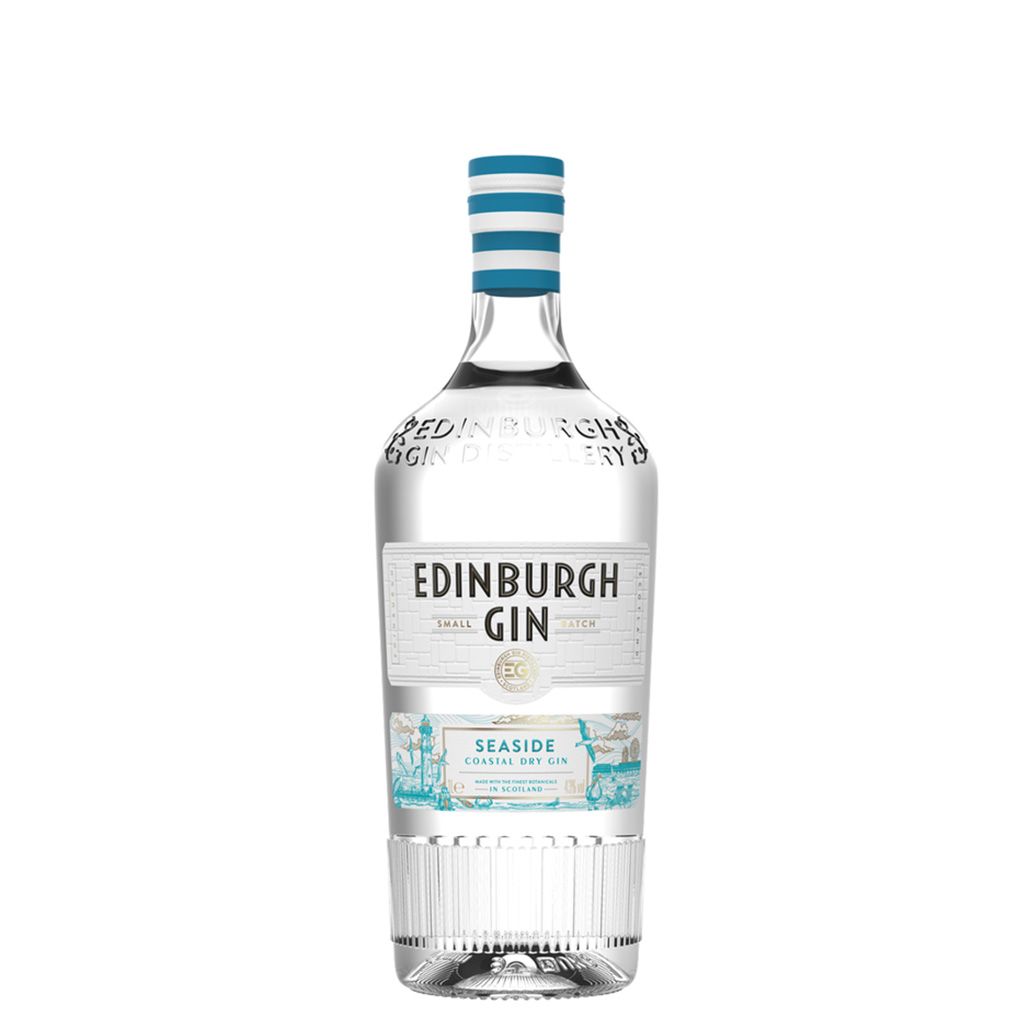
Uses sea oak, scurvy grass and ground ivy harvested along the coast near Edinburgh. It is one of the most explicitly coastal-built gins.
Discover more →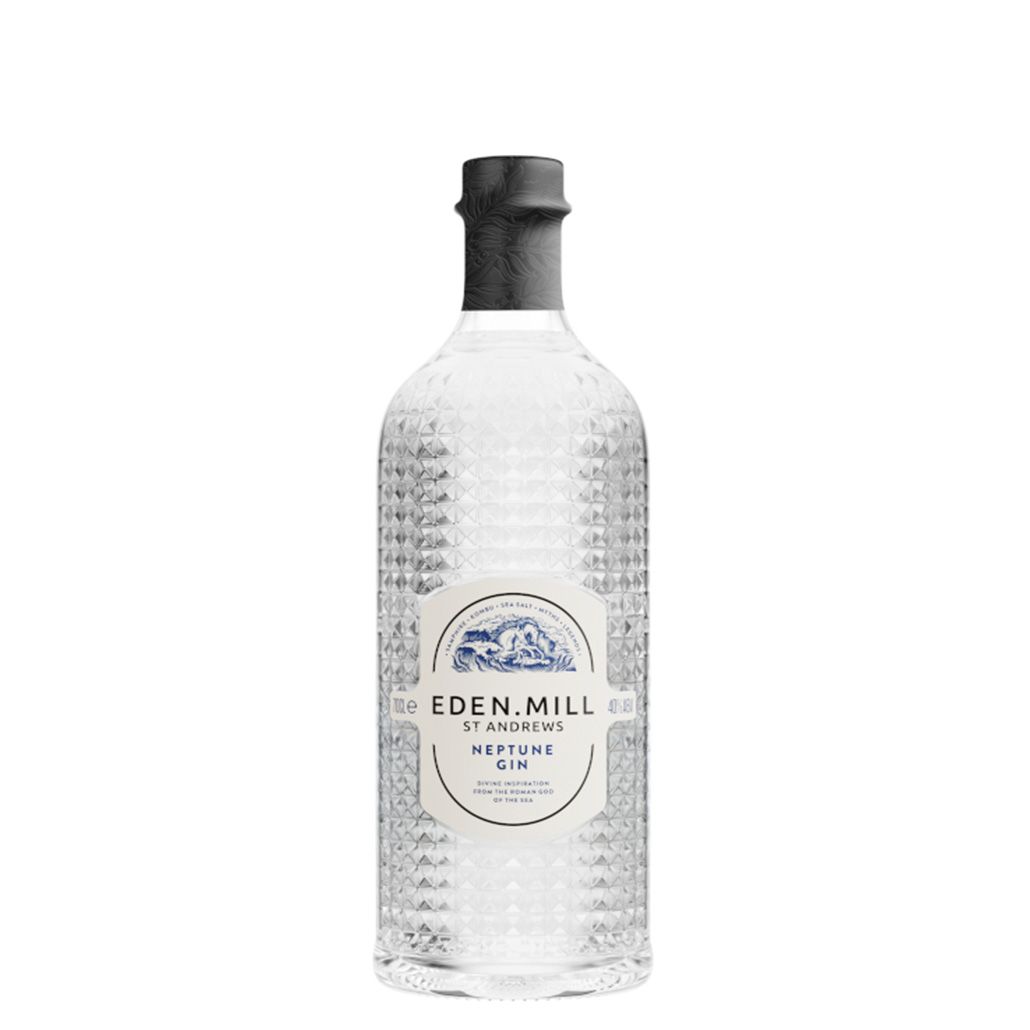
A gin inspired by the St Andrews coastline, made with kombu seaweed, sea fennel and sea salt.
Discover more →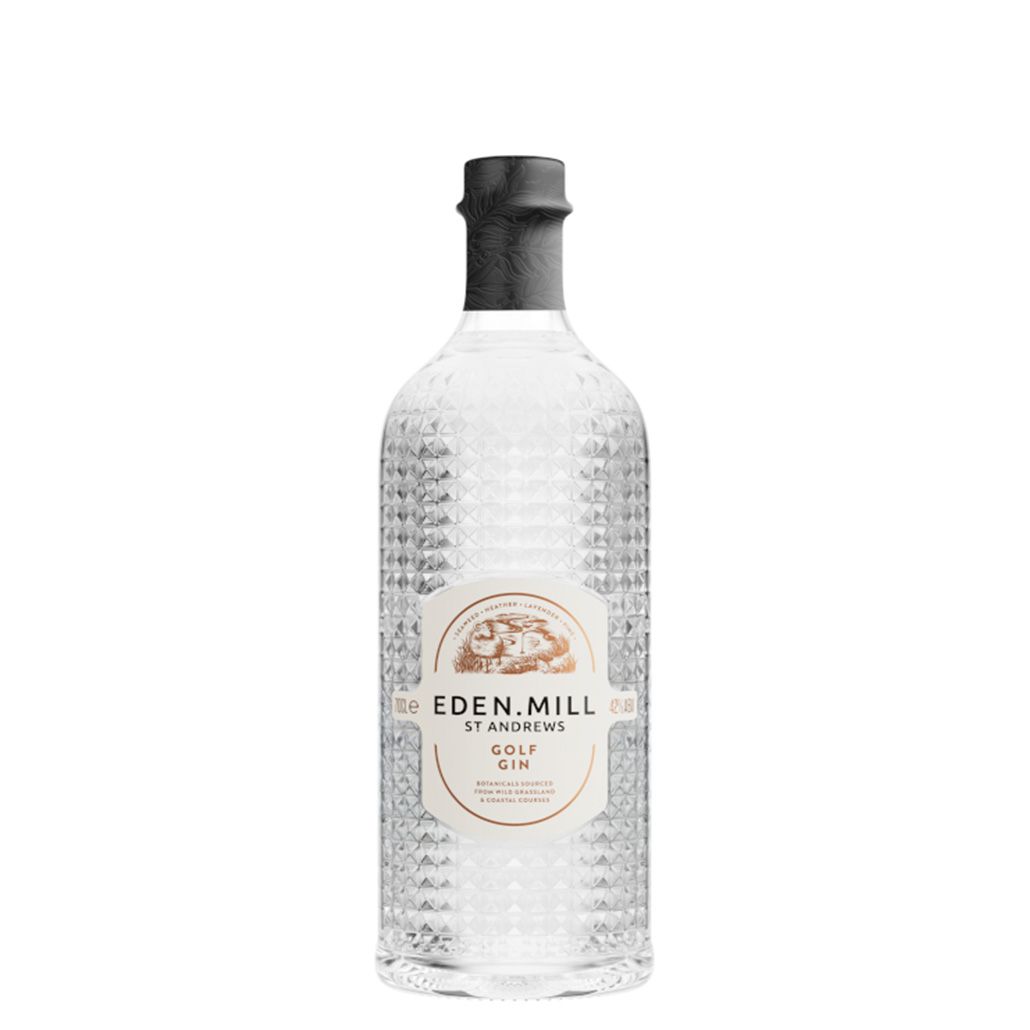
The recipe combines marine seaweed, pine and heather, evoking the coastal golf courses and ocean-facing landscape of St Andrews.
Discover more →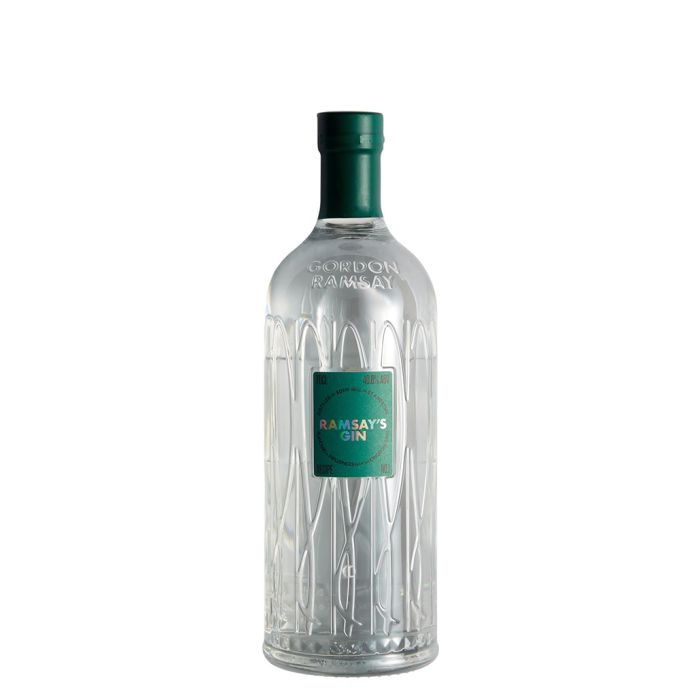
Made with Mara seaweed harvested on the Fife coast, together with local honey, pink pepper, lavender and verbena. The stated profile is fresh, floral and marine.
Discover more →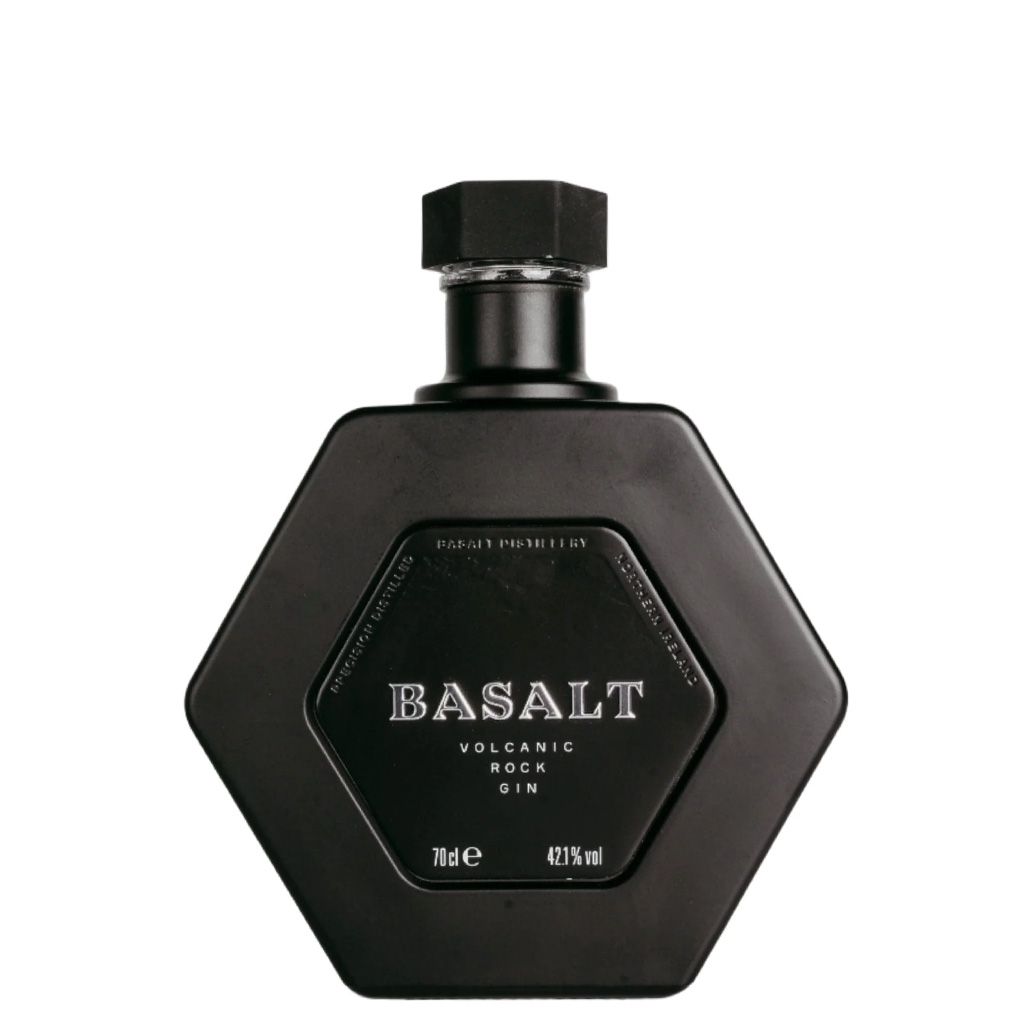
Born along the Antrim coast, it uses Kombu Royale seaweed and sea buckthorn, with a saline, citrusy and spicy profile.
Discover more →
Contains sea oak, used to bring the saline and umami component, alongside fir, mango and citrus.
Discover more →With Seawater
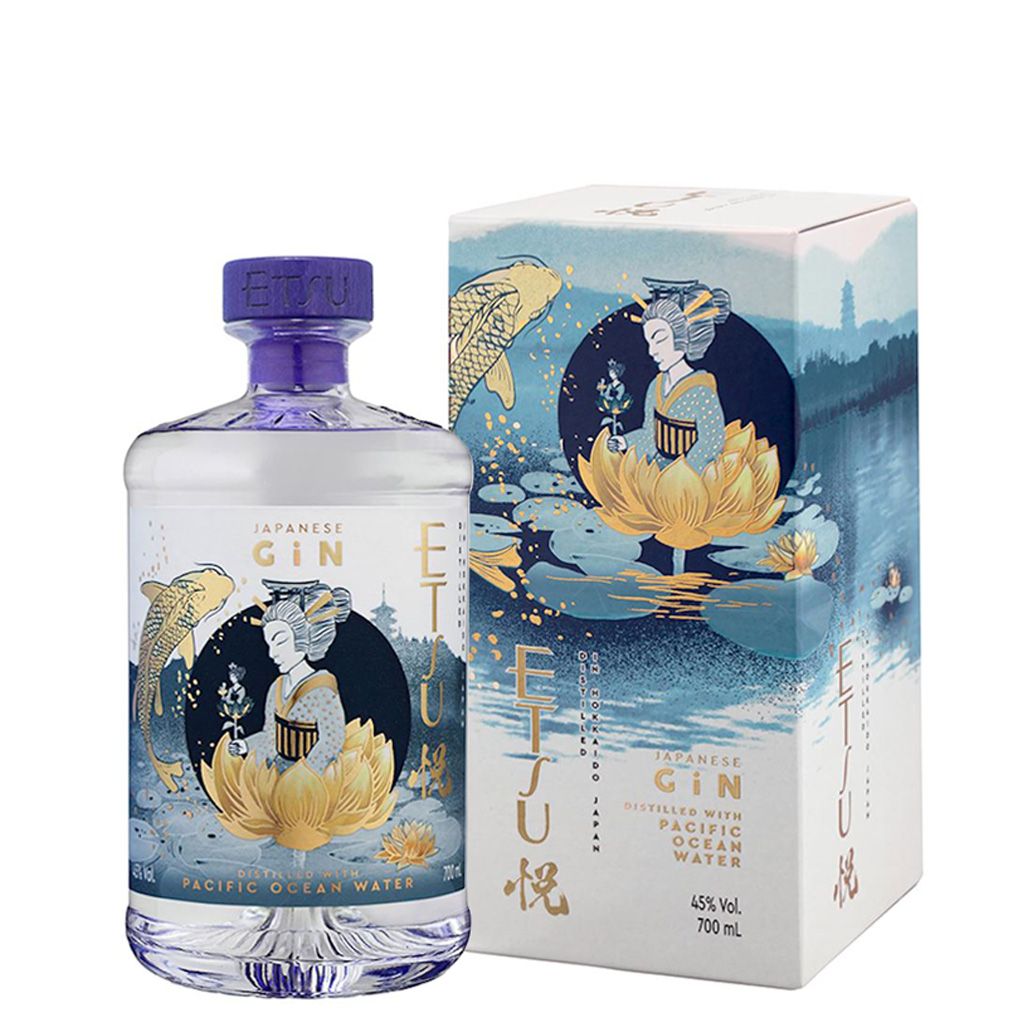
It is diluted with a combination of spring water and Pacific sea water. Yuzu and bitter orange define its citrus side.
Discover more →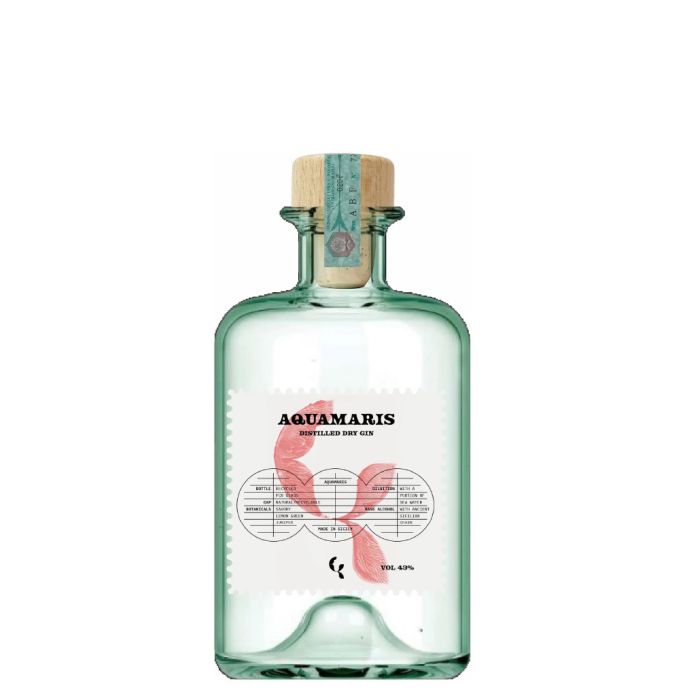
A Sicilian gin made with verdello lemon, savory, spring water and microfiltered Mediterranean seawater. It presents a distinctly savoury, marine profile.
Discover more →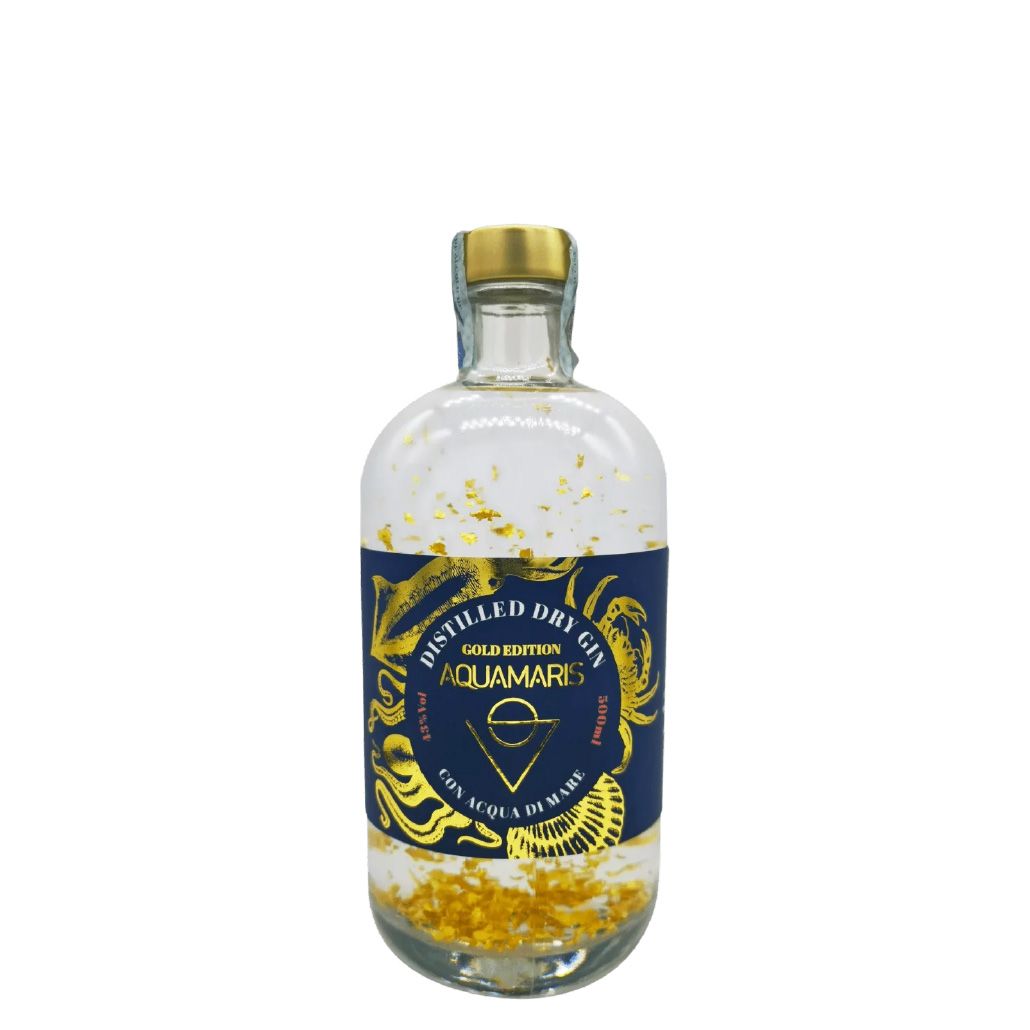
Uses the same recipe as the original Aquamaris, with microfiltered seawater, but is enriched with 23-carat edible gold flakes. A distinct commercial reference, but not a different gin in terms of recipe.
Discover more →With Sea Salt
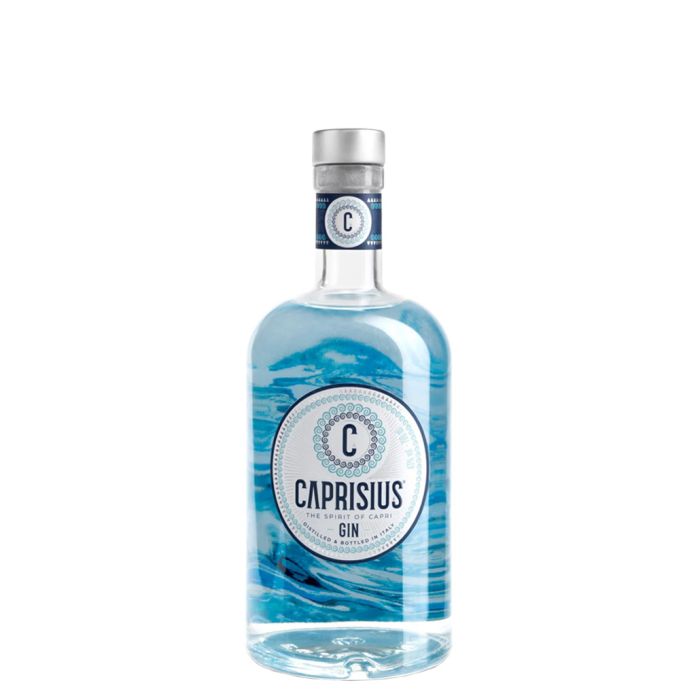
Juniper, lemon, thyme and marjoram are completed by a touch of sea salt, which introduces a savoury, Mediterranean component.
Discover more →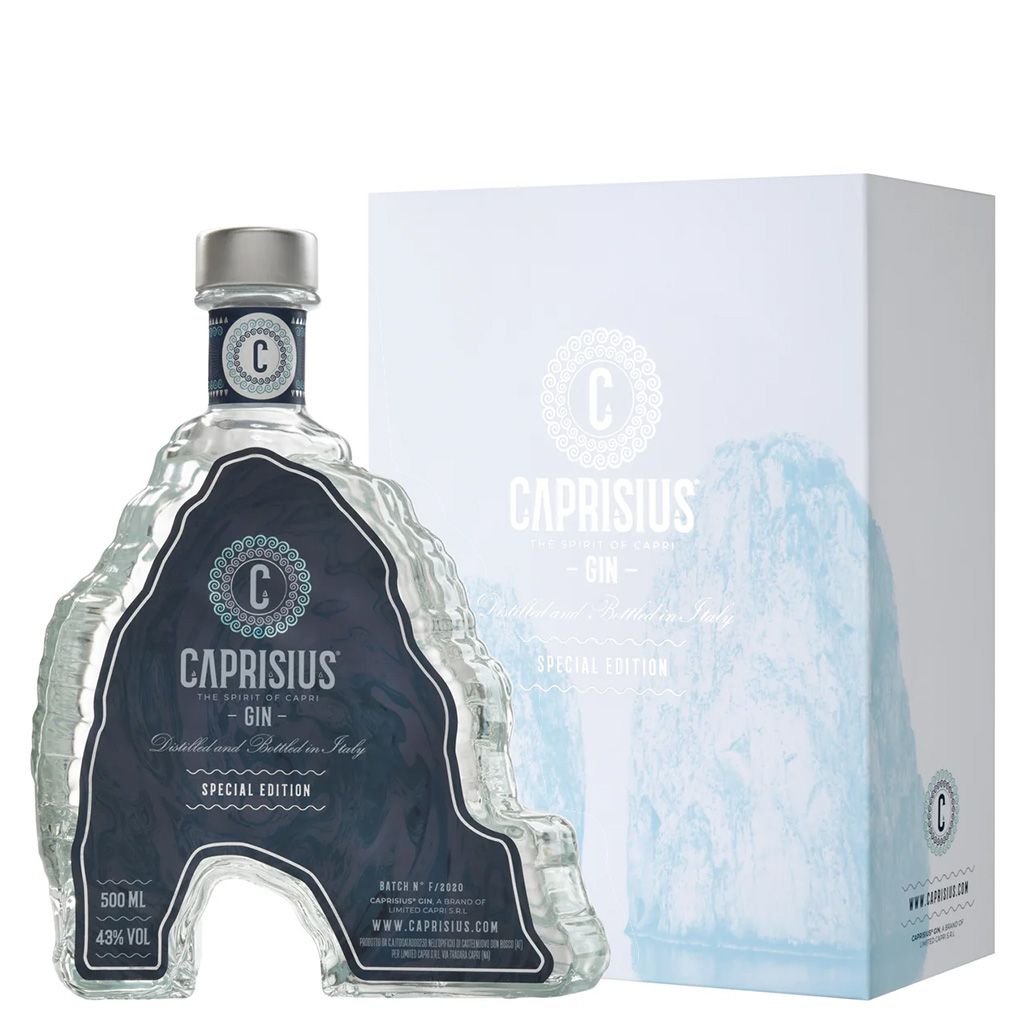
It is the same recipe as the Caprisius Original, offered in a special bottle inspired by the Faraglioni of Capri.
Discover more →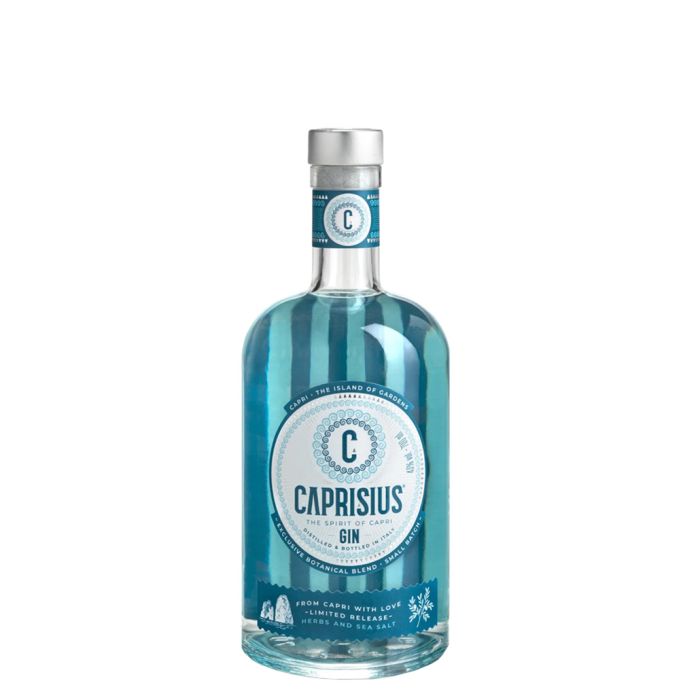
Combines rosemary, olive leaves and capers with a touch of sea salt. Compared to the Original, it is more herbal, balsamic and green.
Discover more →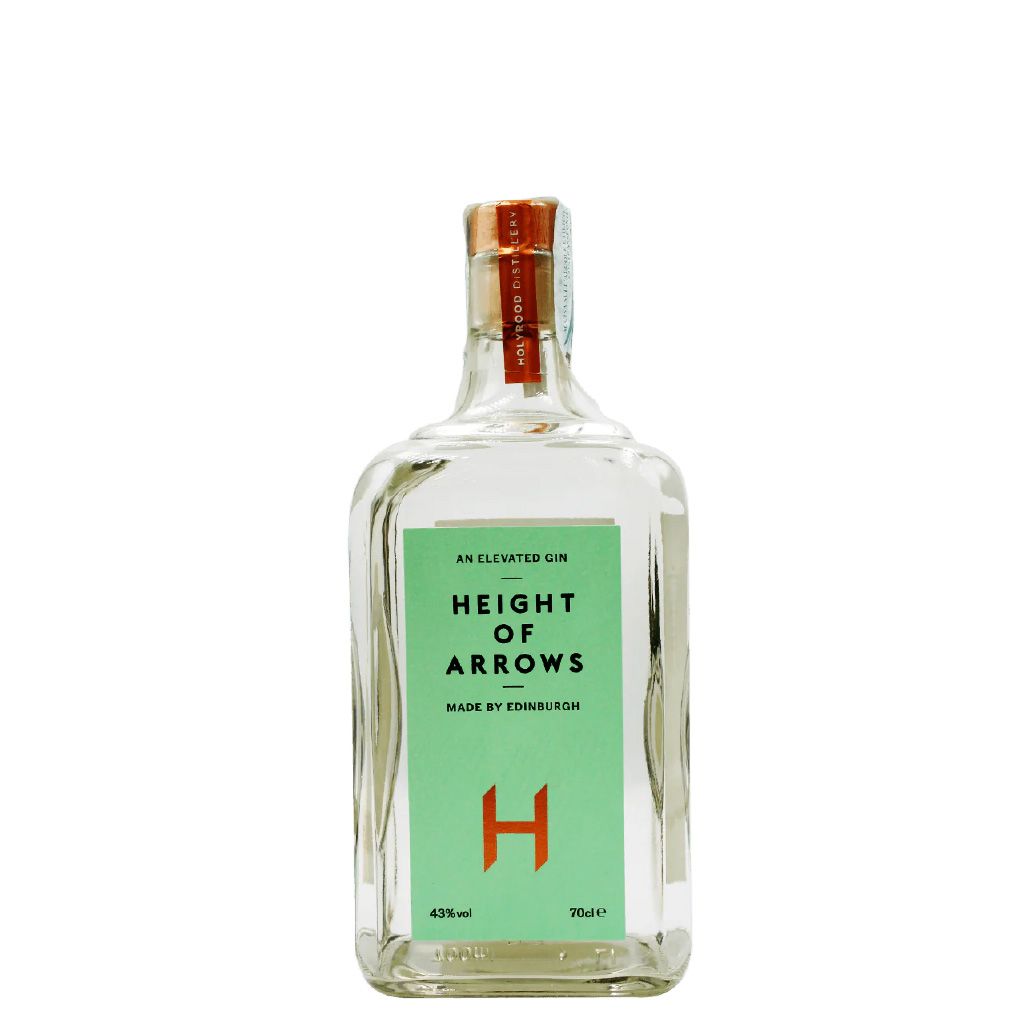
A minimalist recipe based on juniper, beeswax and Islay sea salt.
Discover more →Want to explore the whole selection?
Discover our gin selection on Passione Gin.